
From Simulation to Success: How NICC Graduates are Transforming Local Healthcare
Monday, March 2, 2026
In the high-stakes world of healthcare, they are often the most critical clinicians a patient never sees coming. While nursing shortages frequently make headlines, a "dangerous" national deficit of registered respiratory therapists (RRTs) is quietly putting patient outcomes at risk. Northeast Iowa Community College (NICC) is answering this silent crisis with strategic program growth and state-of-the-art simulation training designed to put highly qualified graduates on the front lines of patient care.
"With the continued rise in chronic respiratory conditions, an aging population and the lasting impact of emerging and ongoing respiratory diseases, the demand for skilled respiratory therapists has never been greater," said Laurel White, MBA, RRT, pediatric respiratory care manager at UW Health.
With nearly 100,000 RTs expected to leave the national workforce by 2030, the Respiratory Care program at NICC is investing in program enhancement and technology at a pivotal time. These lifesavers are in high demand locally as well. In Iowa, the median annual wage for respiratory therapists has risen to approximately $68,790, with top earners exceeding $83,000. Nationally, the field is projected to grow 12% through 2034 — much faster than the average for all occupations.
For Alyssa Pessman, a 2023 graduate of the Respiratory Care program, the path to a career was immediate. She secured a local position just before finishing her studies. "I chose the program at NICC because of the positive atmosphere and the campus," Pessman said. "I did my externship at UnityPoint Health and I enjoyed the atmosphere and the Dubuque area. So I stayed and applied when a position opened just before I graduated."
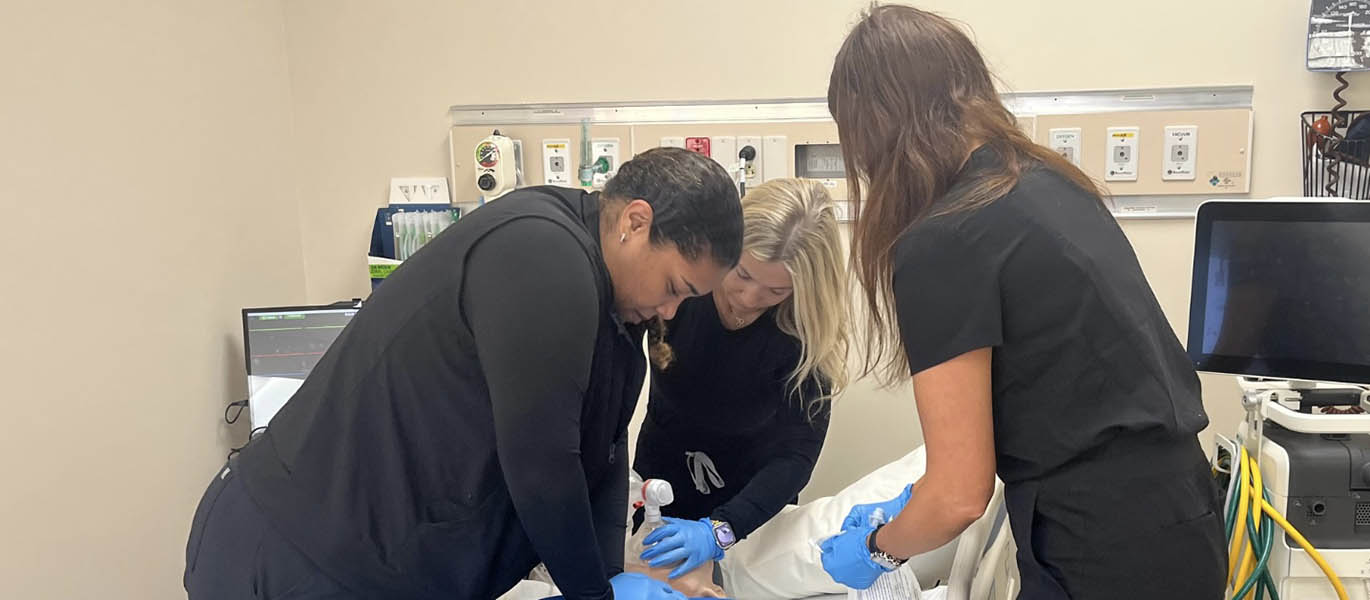
To ensure students like Alyssa are ready for high-stakes environments, the College utilizes the latest technology, including the Aurora Respiratory Training Simulator. This advanced $40,000 system, implemented in the fall 2025 semester, allows students to practice in a high-fidelity lab. Students can simulate titrating oxygen, placing airways and managing mechanical ventilators on a manikin that responds as a real patient's lungs would. “This technology advancement allows us to simulate high-stakes critical care situations in a controlled environment,” said Director of Clinical Education Jacque Kelchen, BS, RRT. The investment was made possible through a 9-cent tax levy, reflecting the commitment of the College to modernize instructional standards.
"Our students aren't competing with 30 classmates for hands-on practice," said Program Director Amy Rausch, MBA, RRT. "With a capacity of 16 students, we ensure every individual gains the competence and confidence needed to run life-saving equipment."
Enrollment is on the rise, with 10 students starting this past fall. NICC is focused on sustainable growth to maintain its 100% job placement rate for graduates.
"Respiratory care is a great fit for individuals who are compassionate, detail-oriented and interested in hands-on patient care," Rausch said. "I would especially encourage people who enjoy problem-solving in fast-paced environments and who can stay calm and focused during high-acuity or emergency situations."
Students in the program rotate through various in-hospital and out-of-hospital settings, including Adult, Pediatric and Neonatal Intensive Care Units (NICU). This rotation model, supervised by credentialed clinical preceptors and clinical instructors, ensures graduates are prepared to transition successfully into the workforce.
Graduates earn an Associate of Applied Science (AAS) degree and graduate with certifications in Advanced Cardiovascular Life Support (ACLS) and Pediatric Advanced Life Support (PALS). Upon completion of the program, graduates are eligible to sit for the national credentialing examinations administered by the National Board for Respiratory Care (NBRC). Throughout the five-semester program, students are prepared for these exams through regular practice board examinations and mock exam questions integrated into coursework and classroom instruction NICC graduates have had a 100% national board pass rate for the past three years.
Learn more about the Respiratory Care program here.